Paella Condiments for Authentic Mediterranean Flavor
Types and Technical Behavior
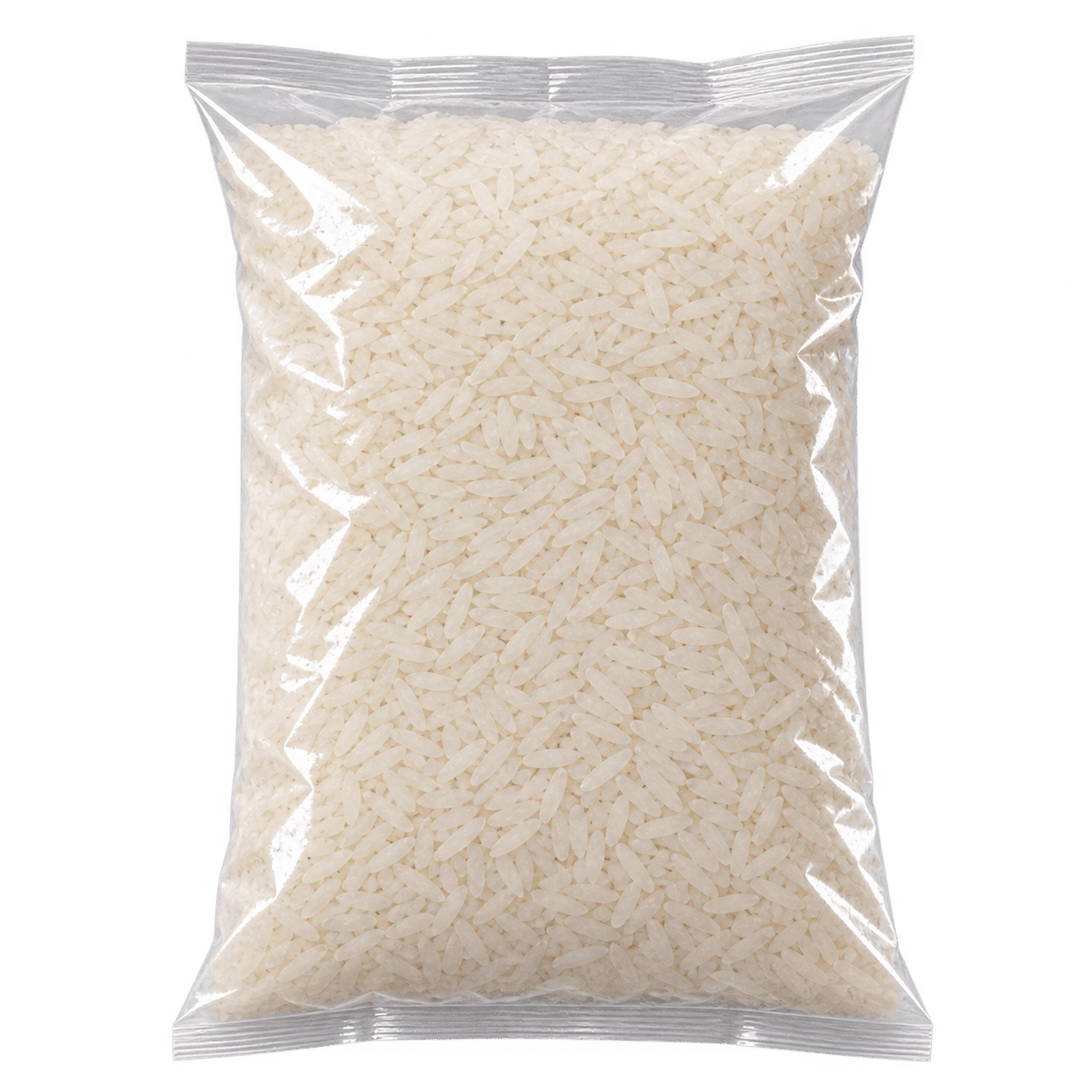
D.O.P. Arròs de València
Round Rice
(D.O.P. Arròs de València)
Traditional paella rice encompasses local protected varieties certified by the Consejo Regulador D.O.P. Arroz de Valencia.
- Varieties: Sènia, Bahía, and Albufera.
- Origin & Production: Cultivated in the wetlands of the Albufera Natural Park (Valencia, Spain). This protected ecosystem features clay-heavy soils and nutrient-rich, controlled waters.
- Distinctive Properties: Medium-to-short pearl-like grains. The central white “pearl” consists of a dense starch accumulation that acts like a natural sponge.
- Paella Contribution: Guarantees maximum broth absorption, locking in meat or seafood flavors. It delivers a juicy, creamy texture while releasing just enough starch to bind the juices without clumping.
Technical Specifications
- Maximum Moisture Content: ≤ 14.0% (prevents mold growth).
- Amylose Content: Sènia: ~16.3% | Bahía: ~19.1% | Albufera: 22.0% to 24.0%.
- Grain Classification: Class I (minimum 92% of whole, undamaged kernels).
Cooking Guide
- Liquid Ratio: 1 part rice to 2.5 parts broth (Albufera requires 1 to 3).
- Cooking Time: 15 to 17 minutes (Albufera requires 16 to 18 minutes).
- Heat Dynamics: 8 minutes on high heat, then reduce to low heat.
- Rest Time: 5 minutes (mandatory).
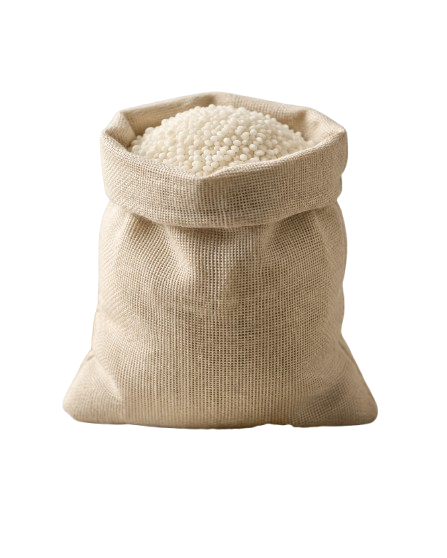
Bomba Rice
(The "King" of Paella Rices)
While part of the same D.O.P. region, Bomba rice demands an exclusive premium category due to its unique physical behavior under heat.
- Origin & Production: Produced in limited quantities within the Valencian municipalities of Sueca, Sollana, and Silla, as well as the Pego-Oliva Natural Park. It is an ancestral, delicate strain requiring long maturation cycles.
- Distinctive Properties: Short, round, and highly dehydrated grains. It features a high percentage of amylose, which prevents the grain from breaking apart or releasing excess surface starch. It showcases an “accordion effect”: the grain expands crosswise—tripling its volume—instead of breaking lengthwise.
- Paella Contribution: The cook’s insurance policy. It resists overcooking, ensuring grains remain completely loose, whole, and al dente. It absorbs up to three times its volume in broth, deeply trapping the flavors of rosemary, saffron, and sofrito.
Technical Specifications
• Maximum Moisture Content: ≤ 14.0% post-milling.
• Amylose Content: 24.9% average (provides firmness and prevents starch leaching).
• Minimum Length/Width Ratio: < 2.0 (true round short-grain definition).
Cooking Guide
• Liquid Ratio: 1 part rice to 3 or 3.5 parts broth.
• Cooking Time: 18 to 20 minutes.
• Heat Dynamics: 10 minutes on high heat, then 8 to 10 minutes on low heat. Very forgiving to extended cooking times.
Types and Technical Behavior
Calasparra Rice
Calasparra Rice
(D.O.P. Calasparra)
Unlike valley-grown Valencian rice, this is a mountain-grown rice with a unique culinary behavior.
- Origin & Production: Cultivated in the cold, mountainous terrain of the upper Segura and Mundo river basins (Murcia and Albacete regions). The continuously flowing, cold mountain water delays grain ripening.
- Primary Varieties: Balilla x Sollana (a highly resilient crossbreed) and Bomba.
- Distinctive Properties: White, round, and exceptionally hard grains due to natural dehydration on the plant and a slow maturation cycle.
- Paella Contribution: Because it grows in running cold water, the grain structure is incredibly compact. It absorbs up to 30% more broth than standard round rice without bursting, intensely locking in the flavors of the sofrito.
Technical Specifications
- Maximum Moisture Content: ≤ 14.0%.
- Amylose Content (Balilla x Sollana): 22.0% to 24.0% (high resistance to overcooking).
- Grain Integrity: High resistance to sticking or turning mushy.
Cooking Guide
- Liquid Ratio: 1 part rice to 3 or 3.5 parts broth.
- Cooking Time: 18 to 21 minutes.
- Heat Dynamics: Requires 1 to 2 extra minutes of cooking compared to Valencian round rice due to its structural hardness.
Red Gold
Saffron
Saffron
(D.O.P. Azafrán de La Mancha)
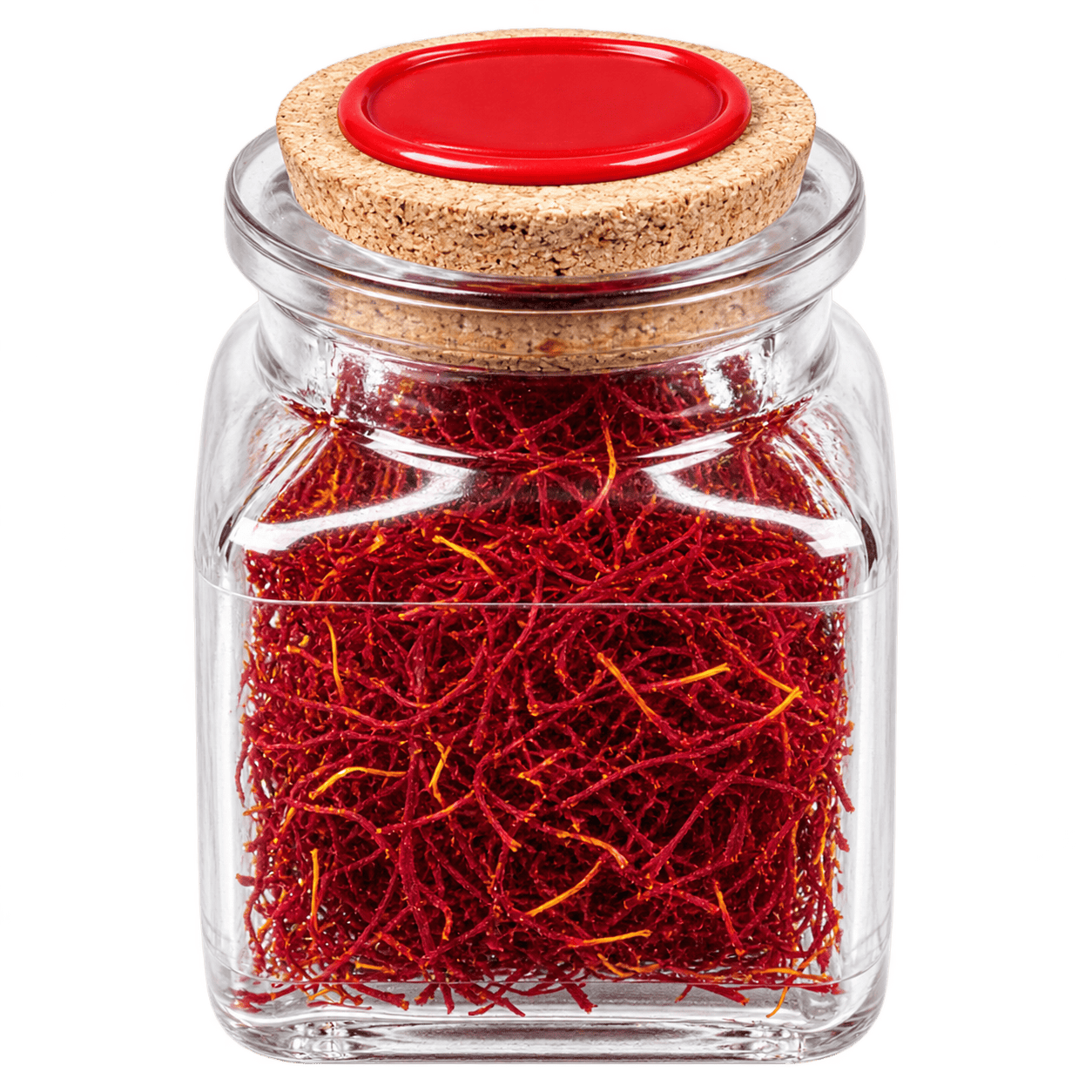
Authentic Spanish saffron is the culinary “red gold.” Always source whole threads from the current year’s harvest.
- Origin & Production: While paella is native to Valencia, the world’s finest saffron comes from the neighboring plains of Castilla-La Mancha. Crocus Sativus flowers are hand-harvested at dawn in autumn, and the red stigmas are traditionally toasted over slow fires.
- Distinctive Properties: Flexible, bright, vivid red threads free of wrinkles. High, regulated levels of crocin (coloring power), picrocrocin (flavor), and safranal (deep, toasted aroma).
- Paella Contribution: Imparts a genuine, brilliant golden-yellow hue to the dish without artificial chemical dyes. It provides an exotic, subtly bitter, and earthy aromatic background that unifies the meat, vegetables, and rice.
Technical Specifications (D.O.P. Category 1)
- Coloring Power (Crocin): > 200 (Absorbance at 440 nm).
- Bittering Power (Picrocrocin): > 70 (Absorbance at 257 nm).
- Aroma Strength (Safranal): Between 20 and 50 (Absorbance at 330 nm).
- Physical Thresholds: Minimum 2:1 ratio of stigma length to style length. Zero artificial coloring agents permitted. Maximum moisture content of 9.0%.
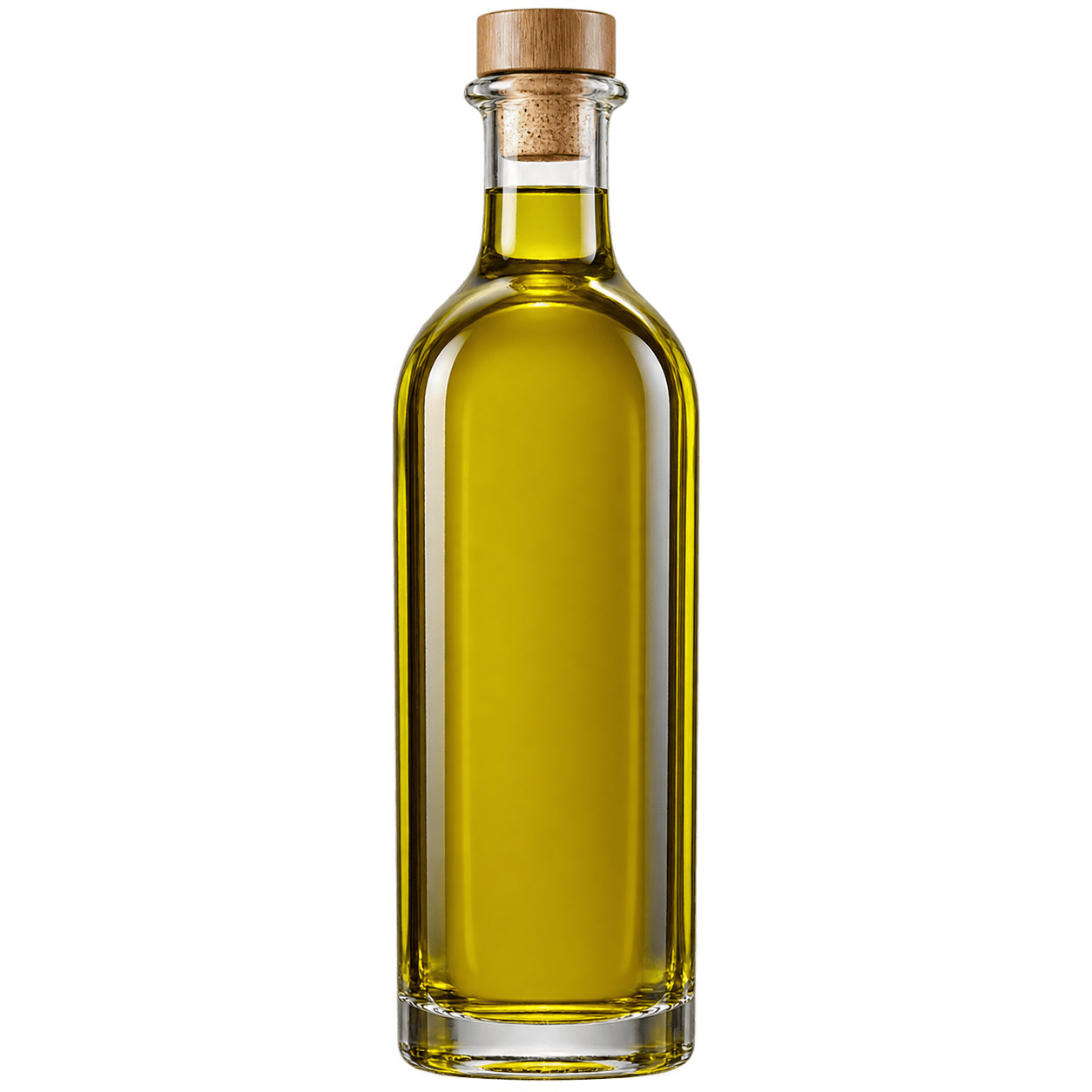
The indispensable
Extra Virgin Olive Oil
Extra Virgin Olive Oil
(D.O.P. Sierras Espadán y Calderona)
The indispensable starting point of any paella is a high-quality fat base that acts as a thermal and flavor conductor.
- Origin & Production: Produced in the Mediterranean mountain olive groves of Castellón and Valencia.
- Distinctive Properties: Cold-extracted from indigenous Mediterranean cultivars like Serrana de Espadán (must comprise at least 80% of the blend). These oils feature exceptionally low acidity and balanced, fruity profiles with notes of green almond and fresh-cut grass.
- Paella Contribution: The foundation of the initial sofrito. Its thermal stability allows perfect browning of chicken, rabbit, and green beans (bajoqueta) without burning. It lightly coats and seals the rice grains during the initial sauté (nacarado), keeping them separate and enriching the final broth.
Technical Specifications
- Maximum Free Acidity: ≤ 0.8° (premium harvests often sit below 0.2°).
- Peroxide Value: ≤ 20 meq O₂/Kg.
- Ultraviolet Spectrometry Absorption: K₂₇₀ ≤ 0.22 and K₂₃₂ ≤ 2.50 (proves purity and lack of oxidation).
- Organoleptic Profile: Median of defects = 0 | Median of fruitiness ≥ 2 at bottling.